She recently summed up her philosophy of her success when asked whether she was surprised by everything she has achieved thus far in her career:
KG: I would’ve been surprised had I stumbled blindly into any of it, scratched a lottery ticket and found a prize that would then take me through the rest of my life. I wasn’t “lucky” that the books sold. I wasn’t “surprised” to learn that they’re also taught in literature classes. That sounds arrogant, but it’s not. To be able to write literature that sells takes an almost surreal amount of stubborn persistence; imagination; the ability to forego distractions, such as vacations, men, alcohol; and a willingness to lock oneself in a room and submit oneself to constant, ruthless self-criticism. If a writer is any good, he or she will criticize himself so unmercifully that the reader and the reviewer either have to be misguided or wrong to make too much of a complaint. And there’s something almost fun about fixing that deal in place. That sounds arrogant, and it may be. But it’d be more arrogant to subject readers, nice, hopeful people, to 250 pages of words I had not tried to perfect, that I’d merely typed, as Hemingway said of meaningless writing. I know when it’s being done to me, when clichés are bound or filmed and sold, and I don’t appreciate it, the disrespect for this gift of language and for the people we’re offering it to.
But getting there, to that lucky, sacrificial place, requires long, long stretches of unbroken concentration and more Diet Cokes than most people can or want to tolerate. I love the labor, the sheer manual labor that goes into making these books seem as though they were effortlessly written. I love what has come to feel like a habit of invention. I go about my days stunned that I didn’t waste what Walker Percy called a “knack” for writing.
And there’s the grace that comes when I’m in my daughters’ presence. I go about stunned that I didn’t drop or misplace my children or cause them to be expelled from school for repeating what they learned at home. You see, I live alone with three smart and sober teenage girls—it has taken skill, patience, stamina, and that same kind of “knack.” And like this 40-year custom of reading and writing, the girls are a seriously profound, sustained joy.
You see, I love what I do. I raise three human beings, and I do language for a living—it’s only as terrifying as it is lovely.
Thursday, November 10, 2005


dreams
i have had two or three nights of dreaming of Mary Chapin Carpenter. the dreams are about not being able to proceed with the charity auction i am organizing because i have not received the goods from her Personal Assistant. Her appearance in my dreams has been in the distance.
last night, i dreamed about the PROMIS system or electronic statistical report that has me consumed at work. the staff have been tweaking it and i have been living in it for days. It is due today.
i also dreamed about some boots i chose to buy, they were used and didnt match. they were gold in color and one was stripped in bold yellow. I hestiated in the dream and then decided to return them. I found where i laid the receipt and called the place. The word RYE was in the title and i had to ask if they were open on sunday.
i also dreamed about having my mamogram done. I walked in to a place that took blood and asked if they took OXFORD, my health provider and they did. I was lead to the mamogram machine, undressed and they took my xrays. I was told to follow up with the doctors persciption that i had at home and to get my prior films so they could do a comparison to my past xrays. I remember being hestitant and skeptical in the dream that i would not be charged for the mamogram and that how convenient it was and quick where my xray center has no parking which is a barrier to my getting the xray.
in the dream, i thought could i send them, get a copy sent, can not go there to get my prior films and how did they take the films without the Doctors perscription. Oxford they would bill my health care provider
needless to say, i dont sleep through the night. i wake with mild hot flashes but no longer get out of bed..
last night, i dreamed about the PROMIS system or electronic statistical report that has me consumed at work. the staff have been tweaking it and i have been living in it for days. It is due today.
i also dreamed about some boots i chose to buy, they were used and didnt match. they were gold in color and one was stripped in bold yellow. I hestiated in the dream and then decided to return them. I found where i laid the receipt and called the place. The word RYE was in the title and i had to ask if they were open on sunday.
i also dreamed about having my mamogram done. I walked in to a place that took blood and asked if they took OXFORD, my health provider and they did. I was lead to the mamogram machine, undressed and they took my xrays. I was told to follow up with the doctors persciption that i had at home and to get my prior films so they could do a comparison to my past xrays. I remember being hestitant and skeptical in the dream that i would not be charged for the mamogram and that how convenient it was and quick where my xray center has no parking which is a barrier to my getting the xray.
in the dream, i thought could i send them, get a copy sent, can not go there to get my prior films and how did they take the films without the Doctors perscription. Oxford they would bill my health care provider
needless to say, i dont sleep through the night. i wake with mild hot flashes but no longer get out of bed..


random thoughts
the CMA are coming to NYC, there were photos of brooks and Dunn with our past, current and future, millionaire, metrosexual mayor. it just didnt fit..somehow the only jew that should be wearing a cowboy hat is Kinky Friedman. Bloomberg looked silly
it didnt fit then, it still doesnt..
the promotion started in august with lunch time concerts by Gretchen Wilson, Big n Rich and that Rapping cowboy.. Tickets are scarce and pricey. I tried to get into the Nosebleed seats in the garden (the events i wanted to go to are sold out, industry only or on nights i couldnt make..
the banners annoucing the CMAs are on eastern parkway which isa huge boulevard in brooklyn along the west indian parade route that runs through a Hasidic neighborhood...i have not seem the banners on flag poles in manhattan so they have relegated them to these two minority neighborhoods.. i think they had to put them somewhere.
I turned on my radio monday and caught country music. NYC has not had a country station in at least 5 years. So my ears were caught.. i heard live interviews and two morning guys FROM SEATTLE being piped into NYC...and talking about NYC hosting the CMAs as if they were here but they saying they were in seattle..
something isnt right... that rapping cowboy guy just isnt right..
my ballot tuesday, had Bernard Goetz , a guy who shot three black kids on the subway at point blank. .he is out of jail and running for mayor..so wasnt some guy named "rents are too high".. i didnt vote for either but i did celebrate my vote......and laughed out loud in the booth.. and pulled the lever...
also it is not right to hang those christmas ornaments before santa arrives on broadway in the macys day parade. actually santa will be coming to the mall in time for the veterans day sales.. when i see the sights and sounds of Xmas, the rockerfeller center xmas tree being put up and smell chestnuts on the street...it reminds me NOT of Xmas IN NYC but of Winter.. the weather has been delightfully warm and i dread those thermals and fleece and down vests...but before xmas comes winter... its not right..
it didnt fit then, it still doesnt..
the promotion started in august with lunch time concerts by Gretchen Wilson, Big n Rich and that Rapping cowboy.. Tickets are scarce and pricey. I tried to get into the Nosebleed seats in the garden (the events i wanted to go to are sold out, industry only or on nights i couldnt make..
the banners annoucing the CMAs are on eastern parkway which isa huge boulevard in brooklyn along the west indian parade route that runs through a Hasidic neighborhood...i have not seem the banners on flag poles in manhattan so they have relegated them to these two minority neighborhoods.. i think they had to put them somewhere.
I turned on my radio monday and caught country music. NYC has not had a country station in at least 5 years. So my ears were caught.. i heard live interviews and two morning guys FROM SEATTLE being piped into NYC...and talking about NYC hosting the CMAs as if they were here but they saying they were in seattle..
something isnt right... that rapping cowboy guy just isnt right..
my ballot tuesday, had Bernard Goetz , a guy who shot three black kids on the subway at point blank. .he is out of jail and running for mayor..so wasnt some guy named "rents are too high".. i didnt vote for either but i did celebrate my vote......and laughed out loud in the booth.. and pulled the lever...
also it is not right to hang those christmas ornaments before santa arrives on broadway in the macys day parade. actually santa will be coming to the mall in time for the veterans day sales.. when i see the sights and sounds of Xmas, the rockerfeller center xmas tree being put up and smell chestnuts on the street...it reminds me NOT of Xmas IN NYC but of Winter.. the weather has been delightfully warm and i dread those thermals and fleece and down vests...but before xmas comes winter... its not right..
Wednesday, November 09, 2005
Capricorn Horoscope for week of November 10, 2005
Capricorn Horoscope for week of November 10, 2005
"The obscure we see eventually," said journalist Edward R. Murrow. "The
completely obvious, it seems, takes longer." You have recently taken
care of the obscure stuff, Capricorn. Through a blend of lucky
accidents and your dogged intelligence, you got to the bottom of a
stuffy old mystery and ripped away the veils that were hiding a
crippled old truth. Now you're finally primed to notice an open secret
that has been right in front of you for quite some time.
*
Tuesday, November 08, 2005
Election night poem 2005
to mayor bloomberg, a jew with lots of money
who won the first round on the heels of Guiliani
Mr Bloomberg who refused to move to gracie Mansion
but considered the west side for stadium expansion
mr mayor with his teeth so bright
takes the subway to work but never at night
he flies here and there at stones throw
but doesnt think the media has a right to know
michael bloomberg whose campaign shots are so funny
i am sure that air brushing cost him lots of money
the blue blazer thrown over his shoulder
so it one hand that becomes his coat holder
michael bloomberg the man of big ideas
maybe this time, you mind will be clear
the schools are still a mess and subway is worse
maybe those will be NYC's curse
no more take hikes or give backs of taxes
no more hard ball, cuz the unions get the axes
no more talk of 911, terror and scare
if only you were a democrat, you're soul you would bare
mr mayor, i bet you will win again
mr mayor, i cannot say its a sin
mr mayor consider the poor among us
mr mayor i am not sure you have earned our trust
who won the first round on the heels of Guiliani
Mr Bloomberg who refused to move to gracie Mansion
but considered the west side for stadium expansion
mr mayor with his teeth so bright
takes the subway to work but never at night
he flies here and there at stones throw
but doesnt think the media has a right to know
michael bloomberg whose campaign shots are so funny
i am sure that air brushing cost him lots of money
the blue blazer thrown over his shoulder
so it one hand that becomes his coat holder
michael bloomberg the man of big ideas
maybe this time, you mind will be clear
the schools are still a mess and subway is worse
maybe those will be NYC's curse
no more take hikes or give backs of taxes
no more hard ball, cuz the unions get the axes
no more talk of 911, terror and scare
if only you were a democrat, you're soul you would bare
mr mayor, i bet you will win again
mr mayor, i cannot say its a sin
mr mayor consider the poor among us
mr mayor i am not sure you have earned our trust
the weather in chicago
Grey area
i watched Anderson Cooper being aaron brown last night and it is anderson cooper 360. a show that was on earlier now covering two time slots. all signs of aaron are gone. the morning papers and the weather in chicago
you can find all the morning front pages of your favorite papers here
http://www.newseum.org/todaysfrontpages/
i watched Anderson Cooper being aaron brown last night and it is anderson cooper 360. a show that was on earlier now covering two time slots. all signs of aaron are gone. the morning papers and the weather in chicago
you can find all the morning front pages of your favorite papers here
http://www.newseum.org/todaysfrontpages/
Monday, November 07, 2005
i am the champion, i am the champion of the world
 Chicken Little saves the big game and does a TOM CRUISE in his underwear, singing I am the champion, I am the champion of the world...
Rick Rubin Rebbe to many
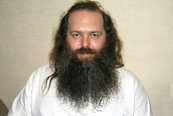 Rick Rubin rick rubin, def jam genius who worked with many artists including tom petty, the dixie chicks, red hot chili peppers, acdc, Run DMC/Arrowsmith, and won 4 grammy awards with the Johnny Cash American Recording Series has taken on Neil Diamond.he has stripped Neil's songwriting to its essence. he removed the production and sequined shirts and its all just neil and his words...As for Rubin, he looks like a rabbincal student from Borough park. Put him in a black coat and black hat and give him Tzitism and Payos and he could pass for a Satmar
Neil Diamond will never be cool but Rick Rubin made him Hip ....
Neil Diamond Given The Rick Rubin Treatement
by Paul Cashmere
November 1 2005
Def American founder, legendary producer Rick Rubin, has turned his talents to reinventing Neil Diamond.
Rubin, who has produced Red Hot Chili Peppers and AC/DC, has produced '12 Songs', the new album for Neil Diamond.
Rubin was responsible for putting Johnny Cash in the studio for his final four albums and teaming him with musicians such as Flea from the Chili Peppers and Tom Petty's Heartbreakers and introducing the country legend to songwriters like Nick Cave and Trent Reznor. The results are considered some of cash's best ever work.
Diamond's album features all original songs. "Most of the songs were recorded with Neil playing and singing at the same time," Rick Rubin told Rolling Stone, "and it's a different animal. It's taking him back to being more of a singer-songwriter. He really blows me away."
"I locked myself in the recording studio with a whole box of number 2 pencils, a big stack of my trusty yellow legal pads and a funky old three-quarter size Martin Guitar with an E minor chord that could break your heart" Diamond said in a statement. "Rick was determined not to rush the process, but to wait until we got to the essence of the songs I was working on. I loved the sheer freedom of creating music for its own sake."
by Paul Cashmere
November 1 2005
Def American founder, legendary producer Rick Rubin, has turned his talents to reinventing Neil Diamond.
Rubin, who has produced Red Hot Chili Peppers and AC/DC, has produced '12 Songs', the new album for Neil Diamond.
Rubin was responsible for putting Johnny Cash in the studio for his final four albums and teaming him with musicians such as Flea from the Chili Peppers and Tom Petty's Heartbreakers and introducing the country legend to songwriters like Nick Cave and Trent Reznor. The results are considered some of cash's best ever work.
Diamond's album features all original songs. "Most of the songs were recorded with Neil playing and singing at the same time," Rick Rubin told Rolling Stone, "and it's a different animal. It's taking him back to being more of a singer-songwriter. He really blows me away."
"I locked myself in the recording studio with a whole box of number 2 pencils, a big stack of my trusty yellow legal pads and a funky old three-quarter size Martin Guitar with an E minor chord that could break your heart" Diamond said in a statement. "Rick was determined not to rush the process, but to wait until we got to the essence of the songs I was working on. I loved the sheer freedom of creating music for its own sake."



Sunday, November 06, 2005
Patrick McDonnell is the voice of MUTTS
N PERSON; Where The Mild Things Are
By GEORGE GENE GUSTINES (NYT) 1551 words
Published: September 25, 2005
THE comic strip ''Mutts'' is a throwback. Its daily tales of Earl the dog and Mooch the cat ooze an archaic innocence (and sometimes an anarchic knowingness) that would not have been out of place in a Sunday comics supplement from the 1920's. It's easy to imagine Earl and Mooch rubbing panels with classic strips like George Herriman's ''Krazy Kat'' or E.C. Segar's ''Popeye.''
The award-winning ''Mutts,'' which appears in nearly 600 newspapers in 20 countries, is certainly one of New Jersey's sweetest exports.
The keeper of the ''Mutts'' menagerie is Patrick McDonnell, who lives in a large house in Edison with hardwood floors and teeming greenery, with his wife, Karen O'Connell; their dog, Earl, and the inevitable cat, MeeMow.
Sitting in his sparely furnished studio one day recently, Mr. McDonnell, 49, who has the gentle air of a favorite uncle, gazed out the window and said, ''The strip is about a quiet joy, so it's nice just to look out at the trees.''
Quiet joy aside, these are boom times in Muttsville. Mr. McDonnell's first children's book (starring Earl and Mooch) is about to be published, the strip's mini-merchandising empire is chugging along, and there is talk of a ''Mutts'' television cartoon.
The children's book, ''The Gift of Nothing'' (Little, Brown, $14.99; Oct. 5), is a project close to Mr. McDonnell's heart. ''It's something I wanted to do for a very long time,'' he said. ''It's based on a story that appeared in 'Mutts' a few years ago. It's about Mooch wanting to give Earl a gift.'' But when Mooch sees everything that Earl already has -- bowl, bed, chew toy and more -- he is forced to get creative. ''He decides to get him nothing.''
''But,'' he added, ''he's also giving everything of himself.''
While the children's book is a nice bonus, the most important thing to Mr. McDonnell is the comic strip itself. ''Mutts'' takes place in a winsome dreamscape reminiscent of the work of Mr. Herriman and Mr. Segar -- who are two of Mr. McDonnell's heroes -- and is populated by characters like a girl named Doozy, a tomcat named Noodles, and squirrel hooligans named Bip and Bop.
Mr. McDonnell's work on the strip has received many accolades. In 1999, he was presented the Ruben Award for outstanding cartoonist of the year by the National Cartoonists Society. The award is named for Rube Goldberg. Mr. McDonnell has also won the Harvey Award for best comic strip six times since 1997.
Collections of the ''Mutts'' strips sell well. Andrews McMeel has sold more than 325,000 ''Mutts'' compilations in paperback. And in 2003, Harry N. Abrams published ''Mutts: The Comic Art of Patrick McDonnell,'' a coffee-table book.
This year has been a particularly busy one for Mr. McDonnell. There is the daily strip -- with a deadline that is never tamed for long -- book signings to attend, forewords to write and charity work to tend to. He is on the boards of the Humane Society of the United States and the Fund for Animals.
Earlier this year, Mr. McDonnell served as the guest curator at the Charles M. Schulz Museum in Santa Rosa, Calif., for the exhibition ''Top Dogs: Comic Canines Before and After Snoopy.'' Mr. McDonnell is writing an essay about Mr. Schulz, another of his heroes, in connection with ''Masters of American Comics,'' an exhibition that is scheduled to open at the Museum of Contemporary Art in Los Angeles on Nov. 11.
One of the places where all these strands come together is on the ''Mutts'' Web site, www.muttscomics.com. For example, Mr. McDonnell said, ''We've been selling little 'Gift of Nothing' boxes.''
While selling empty boxes might sound like the ultimate example of capitalism gone amok, that is not the case here. ''All the money went to Toys for Tots,'' Mr. McDonnell said. Indeed, while product sales primarily help maintain the Web site, they also benefit many worthy causes, like the Wildlife Land Trust.
''Mutts'' products, including organic shirts and prints on recycled paper, are also environmentally friendly. Like the Web site, the comic strip is used to support animal-friendly causes, including pet adoptions and opposition to fur clothing. ''Nothing makes me happier than when I get letters from people saying they were moved to adopt,'' Mr. McDonnell said. In addition to dogs and cats, there are also buffalo and tigers to support.
''There's a little striped kitten named Shtinky Puddin in the strip whose passion it is to save tigers,'' Mr. McDonnell said. ''When I feel that it's right, I try to put that in the strip.'' Response to the tiger story has come from afar, including an e-mail message from Bittu Sahgal, the editor and publisher of ''Sanctuary Asia,'' a magazine published in Bombay devoted to India's environment and its endangered animals.
''We have a whole section of our Web site devoted to tigers right now,'' Ms. O'Connell said.
Mr. McDonnell is also doing his part to help the victims of Hurricane Katrina, by auctioning original ''Mutts'' artwork on eBay.
The commercial aspects of ''Mutts'' are handled by King Features Syndicate, which distributes the strip. Mr. McDonnell's belief in conscientious living means that licensing deals can prove challenging. The licensing deals for ''Mutts'' are still in their infancy, but if other comic strip characters are any barometer, they could generate hundreds of thousands of dollars.
Nisreen Shocair, the director of marketing at King Features, said that while Mr. McDonnell admired the licensing of ''Peanuts,'' the marketplace is now different and Snoopy and friends had fewer restrictions. In 1990, for example, ''Peanuts'' was part of a Happy Meals promotion at McDonald's. Mr. McDonnell is a vegetarian, so most fast-food tie-ins are not options.
Instead, Ms. Shocair has focused on natural-food companies, apparel (like yoga outfits featuring Earl and Mooch striking various poses), pet accessories and stationery.
Licensing was probably the last thing on Mr. McDonnell's mind when, around age 4, he dreamed of being a cartoonist. ''Peanuts'' was a strong influence even then. The ultimate payoff is evident in a framed page from the San Francisco Chronicle that hangs in Mr. McDonnell's office. The page contains the first ''Mutts'' strip. Mr. Schulz mailed him the page, wrote ''Good start'' and signed it ''Sparky,'' his nickname.
''Probably the nicest thing about becoming a cartoonist was I got to meet and become friends with my hero,'' said Mr. McDonnell, who grew up in Elizabeth.
The first big move in Mr. McDonnell's career was illustrating Russell Baker's Observer column in The New York Times Magazine. ''I felt like I had a little weekly cast of characters,'' Mr. McDonnell said. One of them -- ''a guy with a big nose and mustache'' -- resembles Ozzie, the main human character in ''Mutts.''
''I did that for 10 years,'' Mr. McDonnell said, ''the whole time thinking, 'I'd really like to try a comic strip one day.'''
One source of inspiration for ''Mutts,'' which was first published in 1994, has been New Jersey itself. ''Even though I never gave the name of a town of where they live,'' he said of his characters, ''it's definitely a version of New Jersey.''
Mr. McDonnell and Ms. O'Connell have been married for 22 years and have been together for 26; they met as members of the Steel Tips, apunk band that opened for groups like the Ramones and Blondie. It was a good time, but the art world, they said, was slightly more sane and lucrative.
They ended up writing ''Krazy Kat: the Comic Art of George Herriman'' (Harry N. Abrams, 1986); a paperback version was released last year. These days, Ms. O'Connell is something of a communications director at ''Mutts'' central. Among other things, she is responsible for all e-mail correspondence, because Mr. McDonnell does not use a computer.
They make a good team. Nowhere is that clearer than when they discuss time management: ''We have no life,'' Mr. McDonnell said. ''When you do a daily comic strip, it really does take a tremendous amount of time. To a certain extent, it really is our lives.''
Ms. O'Connell said, ''He tells me it's getting easier, though.''
''It is getting easier.''
''So then he takes on more work.''
''Right. Then I take on more projects.''
One of those projects is exploring the possibility of a ''Mutts'' television cartoon. ''If I do it, I really want it to have the same spirit of 'Mutts','' he said. ''I'd want it to have the same social conscious message.''
What about the extra commitment of time? ''It's work. But it's nice when you love your work.''
By GEORGE GENE GUSTINES (NYT) 1551 words
Published: September 25, 2005
THE comic strip ''Mutts'' is a throwback. Its daily tales of Earl the dog and Mooch the cat ooze an archaic innocence (and sometimes an anarchic knowingness) that would not have been out of place in a Sunday comics supplement from the 1920's. It's easy to imagine Earl and Mooch rubbing panels with classic strips like George Herriman's ''Krazy Kat'' or E.C. Segar's ''Popeye.''
The award-winning ''Mutts,'' which appears in nearly 600 newspapers in 20 countries, is certainly one of New Jersey's sweetest exports.
The keeper of the ''Mutts'' menagerie is Patrick McDonnell, who lives in a large house in Edison with hardwood floors and teeming greenery, with his wife, Karen O'Connell; their dog, Earl, and the inevitable cat, MeeMow.
Sitting in his sparely furnished studio one day recently, Mr. McDonnell, 49, who has the gentle air of a favorite uncle, gazed out the window and said, ''The strip is about a quiet joy, so it's nice just to look out at the trees.''
Quiet joy aside, these are boom times in Muttsville. Mr. McDonnell's first children's book (starring Earl and Mooch) is about to be published, the strip's mini-merchandising empire is chugging along, and there is talk of a ''Mutts'' television cartoon.
The children's book, ''The Gift of Nothing'' (Little, Brown, $14.99; Oct. 5), is a project close to Mr. McDonnell's heart. ''It's something I wanted to do for a very long time,'' he said. ''It's based on a story that appeared in 'Mutts' a few years ago. It's about Mooch wanting to give Earl a gift.'' But when Mooch sees everything that Earl already has -- bowl, bed, chew toy and more -- he is forced to get creative. ''He decides to get him nothing.''
''But,'' he added, ''he's also giving everything of himself.''
While the children's book is a nice bonus, the most important thing to Mr. McDonnell is the comic strip itself. ''Mutts'' takes place in a winsome dreamscape reminiscent of the work of Mr. Herriman and Mr. Segar -- who are two of Mr. McDonnell's heroes -- and is populated by characters like a girl named Doozy, a tomcat named Noodles, and squirrel hooligans named Bip and Bop.
Mr. McDonnell's work on the strip has received many accolades. In 1999, he was presented the Ruben Award for outstanding cartoonist of the year by the National Cartoonists Society. The award is named for Rube Goldberg. Mr. McDonnell has also won the Harvey Award for best comic strip six times since 1997.
Collections of the ''Mutts'' strips sell well. Andrews McMeel has sold more than 325,000 ''Mutts'' compilations in paperback. And in 2003, Harry N. Abrams published ''Mutts: The Comic Art of Patrick McDonnell,'' a coffee-table book.
This year has been a particularly busy one for Mr. McDonnell. There is the daily strip -- with a deadline that is never tamed for long -- book signings to attend, forewords to write and charity work to tend to. He is on the boards of the Humane Society of the United States and the Fund for Animals.
Earlier this year, Mr. McDonnell served as the guest curator at the Charles M. Schulz Museum in Santa Rosa, Calif., for the exhibition ''Top Dogs: Comic Canines Before and After Snoopy.'' Mr. McDonnell is writing an essay about Mr. Schulz, another of his heroes, in connection with ''Masters of American Comics,'' an exhibition that is scheduled to open at the Museum of Contemporary Art in Los Angeles on Nov. 11.
One of the places where all these strands come together is on the ''Mutts'' Web site, www.muttscomics.com. For example, Mr. McDonnell said, ''We've been selling little 'Gift of Nothing' boxes.''
While selling empty boxes might sound like the ultimate example of capitalism gone amok, that is not the case here. ''All the money went to Toys for Tots,'' Mr. McDonnell said. Indeed, while product sales primarily help maintain the Web site, they also benefit many worthy causes, like the Wildlife Land Trust.
''Mutts'' products, including organic shirts and prints on recycled paper, are also environmentally friendly. Like the Web site, the comic strip is used to support animal-friendly causes, including pet adoptions and opposition to fur clothing. ''Nothing makes me happier than when I get letters from people saying they were moved to adopt,'' Mr. McDonnell said. In addition to dogs and cats, there are also buffalo and tigers to support.
''There's a little striped kitten named Shtinky Puddin in the strip whose passion it is to save tigers,'' Mr. McDonnell said. ''When I feel that it's right, I try to put that in the strip.'' Response to the tiger story has come from afar, including an e-mail message from Bittu Sahgal, the editor and publisher of ''Sanctuary Asia,'' a magazine published in Bombay devoted to India's environment and its endangered animals.
''We have a whole section of our Web site devoted to tigers right now,'' Ms. O'Connell said.
Mr. McDonnell is also doing his part to help the victims of Hurricane Katrina, by auctioning original ''Mutts'' artwork on eBay.
The commercial aspects of ''Mutts'' are handled by King Features Syndicate, which distributes the strip. Mr. McDonnell's belief in conscientious living means that licensing deals can prove challenging. The licensing deals for ''Mutts'' are still in their infancy, but if other comic strip characters are any barometer, they could generate hundreds of thousands of dollars.
Nisreen Shocair, the director of marketing at King Features, said that while Mr. McDonnell admired the licensing of ''Peanuts,'' the marketplace is now different and Snoopy and friends had fewer restrictions. In 1990, for example, ''Peanuts'' was part of a Happy Meals promotion at McDonald's. Mr. McDonnell is a vegetarian, so most fast-food tie-ins are not options.
Instead, Ms. Shocair has focused on natural-food companies, apparel (like yoga outfits featuring Earl and Mooch striking various poses), pet accessories and stationery.
Licensing was probably the last thing on Mr. McDonnell's mind when, around age 4, he dreamed of being a cartoonist. ''Peanuts'' was a strong influence even then. The ultimate payoff is evident in a framed page from the San Francisco Chronicle that hangs in Mr. McDonnell's office. The page contains the first ''Mutts'' strip. Mr. Schulz mailed him the page, wrote ''Good start'' and signed it ''Sparky,'' his nickname.
''Probably the nicest thing about becoming a cartoonist was I got to meet and become friends with my hero,'' said Mr. McDonnell, who grew up in Elizabeth.
The first big move in Mr. McDonnell's career was illustrating Russell Baker's Observer column in The New York Times Magazine. ''I felt like I had a little weekly cast of characters,'' Mr. McDonnell said. One of them -- ''a guy with a big nose and mustache'' -- resembles Ozzie, the main human character in ''Mutts.''
''I did that for 10 years,'' Mr. McDonnell said, ''the whole time thinking, 'I'd really like to try a comic strip one day.'''
One source of inspiration for ''Mutts,'' which was first published in 1994, has been New Jersey itself. ''Even though I never gave the name of a town of where they live,'' he said of his characters, ''it's definitely a version of New Jersey.''
Mr. McDonnell and Ms. O'Connell have been married for 22 years and have been together for 26; they met as members of the Steel Tips, apunk band that opened for groups like the Ramones and Blondie. It was a good time, but the art world, they said, was slightly more sane and lucrative.
They ended up writing ''Krazy Kat: the Comic Art of George Herriman'' (Harry N. Abrams, 1986); a paperback version was released last year. These days, Ms. O'Connell is something of a communications director at ''Mutts'' central. Among other things, she is responsible for all e-mail correspondence, because Mr. McDonnell does not use a computer.
They make a good team. Nowhere is that clearer than when they discuss time management: ''We have no life,'' Mr. McDonnell said. ''When you do a daily comic strip, it really does take a tremendous amount of time. To a certain extent, it really is our lives.''
Ms. O'Connell said, ''He tells me it's getting easier, though.''
''It is getting easier.''
''So then he takes on more work.''
''Right. Then I take on more projects.''
One of those projects is exploring the possibility of a ''Mutts'' television cartoon. ''If I do it, I really want it to have the same spirit of 'Mutts','' he said. ''I'd want it to have the same social conscious message.''
What about the extra commitment of time? ''It's work. But it's nice when you love your work.''
good luck and good night
Good Night, and Good Luck
BY ROGER EBERT / October 21, 2005
Cast & Credits
Edward R. Murrow: David Strathairn
Fred Friendly: George Clooney
William Paley: Frank Langella
Don Hollenbeck: Ray Wise
Joe Wershba: Robert Downey Jr.
Shirley Wershba: Patricia Clarkson
Sig Mickelson: Jeff Daniels
Warner Independent Pictures presents a film directed by George Clooney. Written by Clooney and Grant Heslov. Running time: 93 minutes. Rated PG.
movie trailer
Good Night, and Good Luck (Quicktime)»
Trailers provided by
Apple Movie Trailers
Printer-friendly »
E-mail this to a friend »
"Good Night, and Good Luck" is a movie about a group of professional newsmen who with surgical precision remove a cancer from the body politic. They believe in the fundamental American freedoms, and in Sen. Joseph McCarthy they see a man who would destroy those freedoms in the name of defending them. Because McCarthy is a liar and a bully, surrounded by yes-men, recklessly calling his opponents traitors, he commands great power for a time. He destroys others with lies, and then is himself destroyed by the truth.
The instrument of his destruction is Edward R. Murrow, a television journalist above reproach, whose radio broadcasts from London led to a peacetime career as the most famous newsman in the new medium of television. Murrow is offended by McCarthy. He makes bold to say so, and why. He is backed by his producers and reporters, and supported by the leadership of his network, CBS, even though they lose sponsors, and even though McCarthy claims Murrow himself is a member of a subversive organization.
There are times when it is argued within CBS that Murrow has lost his objectivity, that he is not telling "both sides." He argues that he is reporting the facts, and if the facts are contrary to McCarthy's fantasies, they are nevertheless objective. In recent years few reporters have dared take such a stand, but at the height of Hurricane Katrina, we saw many reporters in the field who knew by their own witness that the official line on hurricane relief was a fiction, and said so.
Murrow is played in "Good Night, and Good Luck" by David Strathairn, that actor of precise inward silence. He has mastered the Murrow mannerisms, the sidelong glance from beneath lowered eyebrows, the way of sitting perfectly still and listening and watching others, the ironic underplayed wit, the unbending will. He doesn't look much like Murrow, any more than Philip Seymour Hoffman looks much like Truman Capote, but both actors create their characters from the inside, concealing behind famous mannerisms the deliberate actions that impose their will. In that they are actually a little alike.
Clooney co-stars, as Fred Friendly, Murrow's producer, who remained active into the 1990s. He also directed and co-wrote the movie. Because Clooney's father was a newscaster, he knows what the early TV studios looked like, and it is startling to see how small was Murrow's performance space: He sits close to the camera, his famous cigarette usually in the shot, and Friendly sits beside the camera, so close that he can tap Murrow's leg to cue him. They are also close as professionals who share the same beliefs about McCarthy, and are aware that they risk character assassination from the Wisconsin senator.
The other key character is McCarthy himself, and Clooney uses a masterstroke: He employs actual news footage of McCarthy, who therefore plays himself. It is frightening to see him in full rant, and pathetic to see him near meltdown during the Army-McCarthy hearings, when the Army counsel Joseph Welch famously asked him, "Have you no decency?" His wild attack on Murrow has an element of humor; he claims the broadcaster is a member of the Industrial Workers of the World, the anarchist "Wobblies" who by then were more a subject of nostalgic folk songs than a functioning organization.
The movie is entirely, almost claustrophobically, about politics and the news business. Even its single subplot underlines the atmosphere of the times. We meet Shirley and Joe Wershba (Patricia Clarkson and Robert Downey Jr.), who work for CBS News and keep their marriage a secret, because company policy forbids the employment of married couples. Their clandestine meetings and subtle communications raise our own suspicions, and demonstrate in a way how McCarthyism works.
Apart from the Wershbas, the movie is entirely about the inner life of CBS News. Every substantial scene is played in the CBS building, except for a banquet, a bar, a bedroom and the newsreel footage. Murrow and Friendly circulate in three arenas: Their production offices, the television studio and the offices of their boss William Paley (Frank Langella), who ran the network as a fiefdom but granted Murrow independence and freedom from advertiser pressure.
The movie is not really about the abuses of McCarthy, but about the process by which Murrow and his team eventually brought about his downfall (some would say his self-destruction). It is like a morality play, from which we learn how journalists should behave. It shows Murrow as fearless, but not flawless. Paley observes that when McCarthy said that Alger Hiss was convicted of "treason," Murrow knew Hiss was convicted not of treason but of perjury, and yet did not correct McCarthy. Was he afraid of seeming to support a communist, Paley asks, perhaps guessing the answer. He has a point. Murrow's response indicates he might have been a great poker player.
There are small moments of humor. After one broadcast fraught with potential hazards, Murrow waits until he's off the air and then there is the smallest possible movement of his mouth: Could that have been almost a smile? David Strathairn is a stealth actor, revealing Murrow's feelings almost in code. Clooney by contrast makes Fred Friendly an open, forthright kinduva guy, a reliable partner for Murrow's enigmatic reserve.
As a director, Clooney does interesting things. One of them is to shoot in black and white, which is the right choice for this material, lending it period authenticity and a matter-of-factness. In a way, b&w is inevitable, since both Murrow's broadcasts and the McCarthy footage would have been in b&w. Clooney shoots close, showing men (and a few women) in business dress, talking in anonymous rooms. Everybody smokes all of the time. When they screen footage, there is an echo of "Citizen Kane." Episodes are separated by a jazz singer (Dianne Reeves), who is seen performing in a nearby studio; her songs don't parallel the action, but evoke a time of piano lounges, martinis and all those cigarettes.
Clooney's message is clear: Character assassination is wrong, McCarthy was a bully and a liar, and we must be vigilant when the emperor has no clothes and wraps himself in the flag. It was Dr. Johnson who said, "Patriotism is the last refuge of the scoundrel." That was more than 200 years ago. The movie quotes a more recent authority, Dwight Eisenhower, who is seen on TV defending the basic American right of habeas corpus. How many Americans know what habeas corpus means, or why people are still talking about it on TV?
BY ROGER EBERT / October 21, 2005
Cast & Credits
Edward R. Murrow: David Strathairn
Fred Friendly: George Clooney
William Paley: Frank Langella
Don Hollenbeck: Ray Wise
Joe Wershba: Robert Downey Jr.
Shirley Wershba: Patricia Clarkson
Sig Mickelson: Jeff Daniels
Warner Independent Pictures presents a film directed by George Clooney. Written by Clooney and Grant Heslov. Running time: 93 minutes. Rated PG.
movie trailer
Good Night, and Good Luck (Quicktime)»
Trailers provided by
Apple Movie Trailers
Printer-friendly »
E-mail this to a friend »
"Good Night, and Good Luck" is a movie about a group of professional newsmen who with surgical precision remove a cancer from the body politic. They believe in the fundamental American freedoms, and in Sen. Joseph McCarthy they see a man who would destroy those freedoms in the name of defending them. Because McCarthy is a liar and a bully, surrounded by yes-men, recklessly calling his opponents traitors, he commands great power for a time. He destroys others with lies, and then is himself destroyed by the truth.
The instrument of his destruction is Edward R. Murrow, a television journalist above reproach, whose radio broadcasts from London led to a peacetime career as the most famous newsman in the new medium of television. Murrow is offended by McCarthy. He makes bold to say so, and why. He is backed by his producers and reporters, and supported by the leadership of his network, CBS, even though they lose sponsors, and even though McCarthy claims Murrow himself is a member of a subversive organization.
There are times when it is argued within CBS that Murrow has lost his objectivity, that he is not telling "both sides." He argues that he is reporting the facts, and if the facts are contrary to McCarthy's fantasies, they are nevertheless objective. In recent years few reporters have dared take such a stand, but at the height of Hurricane Katrina, we saw many reporters in the field who knew by their own witness that the official line on hurricane relief was a fiction, and said so.
Murrow is played in "Good Night, and Good Luck" by David Strathairn, that actor of precise inward silence. He has mastered the Murrow mannerisms, the sidelong glance from beneath lowered eyebrows, the way of sitting perfectly still and listening and watching others, the ironic underplayed wit, the unbending will. He doesn't look much like Murrow, any more than Philip Seymour Hoffman looks much like Truman Capote, but both actors create their characters from the inside, concealing behind famous mannerisms the deliberate actions that impose their will. In that they are actually a little alike.
Clooney co-stars, as Fred Friendly, Murrow's producer, who remained active into the 1990s. He also directed and co-wrote the movie. Because Clooney's father was a newscaster, he knows what the early TV studios looked like, and it is startling to see how small was Murrow's performance space: He sits close to the camera, his famous cigarette usually in the shot, and Friendly sits beside the camera, so close that he can tap Murrow's leg to cue him. They are also close as professionals who share the same beliefs about McCarthy, and are aware that they risk character assassination from the Wisconsin senator.
The other key character is McCarthy himself, and Clooney uses a masterstroke: He employs actual news footage of McCarthy, who therefore plays himself. It is frightening to see him in full rant, and pathetic to see him near meltdown during the Army-McCarthy hearings, when the Army counsel Joseph Welch famously asked him, "Have you no decency?" His wild attack on Murrow has an element of humor; he claims the broadcaster is a member of the Industrial Workers of the World, the anarchist "Wobblies" who by then were more a subject of nostalgic folk songs than a functioning organization.
The movie is entirely, almost claustrophobically, about politics and the news business. Even its single subplot underlines the atmosphere of the times. We meet Shirley and Joe Wershba (Patricia Clarkson and Robert Downey Jr.), who work for CBS News and keep their marriage a secret, because company policy forbids the employment of married couples. Their clandestine meetings and subtle communications raise our own suspicions, and demonstrate in a way how McCarthyism works.
Apart from the Wershbas, the movie is entirely about the inner life of CBS News. Every substantial scene is played in the CBS building, except for a banquet, a bar, a bedroom and the newsreel footage. Murrow and Friendly circulate in three arenas: Their production offices, the television studio and the offices of their boss William Paley (Frank Langella), who ran the network as a fiefdom but granted Murrow independence and freedom from advertiser pressure.
The movie is not really about the abuses of McCarthy, but about the process by which Murrow and his team eventually brought about his downfall (some would say his self-destruction). It is like a morality play, from which we learn how journalists should behave. It shows Murrow as fearless, but not flawless. Paley observes that when McCarthy said that Alger Hiss was convicted of "treason," Murrow knew Hiss was convicted not of treason but of perjury, and yet did not correct McCarthy. Was he afraid of seeming to support a communist, Paley asks, perhaps guessing the answer. He has a point. Murrow's response indicates he might have been a great poker player.
There are small moments of humor. After one broadcast fraught with potential hazards, Murrow waits until he's off the air and then there is the smallest possible movement of his mouth: Could that have been almost a smile? David Strathairn is a stealth actor, revealing Murrow's feelings almost in code. Clooney by contrast makes Fred Friendly an open, forthright kinduva guy, a reliable partner for Murrow's enigmatic reserve.
As a director, Clooney does interesting things. One of them is to shoot in black and white, which is the right choice for this material, lending it period authenticity and a matter-of-factness. In a way, b&w is inevitable, since both Murrow's broadcasts and the McCarthy footage would have been in b&w. Clooney shoots close, showing men (and a few women) in business dress, talking in anonymous rooms. Everybody smokes all of the time. When they screen footage, there is an echo of "Citizen Kane." Episodes are separated by a jazz singer (Dianne Reeves), who is seen performing in a nearby studio; her songs don't parallel the action, but evoke a time of piano lounges, martinis and all those cigarettes.
Clooney's message is clear: Character assassination is wrong, McCarthy was a bully and a liar, and we must be vigilant when the emperor has no clothes and wraps himself in the flag. It was Dr. Johnson who said, "Patriotism is the last refuge of the scoundrel." That was more than 200 years ago. The movie quotes a more recent authority, Dwight Eisenhower, who is seen on TV defending the basic American right of habeas corpus. How many Americans know what habeas corpus means, or why people are still talking about it on TV?
Saturday, November 05, 2005
joan baez review from birchmere
Baez at the Birchmere: Still Plenty to Protest
By Dave McKenna
Special to The Washington Post
Friday, November 4, 2005;
After flubbing some words to her biggest hit, a 1971 cover of the Band's "The Night They Drove Old Dixie Down," Joan Baez wondered if she was getting enough gingko extract to keep her brain young.
But the years haven't damaged the voice or relevance of Baez, who appeared with a backing duo at the sold-out Birchmere on Wednesday. And while she's doling out homeopathic advice, fans would rather hear what sort of extracts keep Baez, 64, so cool and beautiful.
It helps, of course, that the times really haven't a-changed things too much. As she must, Baez did several tunes she got from her old muse-with-benefits, Bob Dylan. He's never gone away, but the recent Martin Scorcese documentary and our country's recent foreign and domestic foibles have made Dylan's old material, so much of which is joined to Baez's hip, seem contemporary. During an otherwise reverent version of "It's All Over Now, Baby Blue," she mocked Dylan's voice for a verse. "With God on Our Side," a onetime Dylan and Baez duet that chronicles America's history of aggressive behavior, begged for an update. "A Hard Rain's a-Gonna Fall," a song from the last time our country was as afraid of being attacked as it is now, was sad only for its relevance.
Baez also sang "Scarlet Tide," a dose of lefty idealism from Elvis Costello and T-Bone Burnett, a pal from the mid-1970s barnstorming Rolling Thunder tour backing Dylan. And more of the same from Steve Earle: "Jerusalem" and "Christmas in Washington," the latter of which begs for the return of Martin Luther King Jr., Woody Guthrie and Gandhi.
Given her life story, Baez doesn't need somebody else's lyrics to drop names. She told many tales about Being There for moments everybody in the crowd wished they'd been there for. Before an a cappella version of "Swing Low Sweet Chariot," she recalled singing that same tune to wake a sleeping King while both were in Mississippi to march. She remembered getting "The Long Black Veil" from Johnny Cash when he was "cuter than hell." She spoke of going to Crawford, Tex., over the summer and learning that Cindy Sheehan, the face of the newest antiwar movement, has a favorite Joan Baez song: the labor anthem "Joe Hill."
Near the end of her two-hour set, Baez gave her fans the song they wanted most, "Diamonds and Rust." The autobiographical tune tells of her inability to get over a former blue-eyed lover from the Midwest who was good with words and insults ("My poetry was lousy, you said"). She never gives the fellow's name.
By Dave McKenna
Special to The Washington Post
Friday, November 4, 2005;
After flubbing some words to her biggest hit, a 1971 cover of the Band's "The Night They Drove Old Dixie Down," Joan Baez wondered if she was getting enough gingko extract to keep her brain young.
But the years haven't damaged the voice or relevance of Baez, who appeared with a backing duo at the sold-out Birchmere on Wednesday. And while she's doling out homeopathic advice, fans would rather hear what sort of extracts keep Baez, 64, so cool and beautiful.
It helps, of course, that the times really haven't a-changed things too much. As she must, Baez did several tunes she got from her old muse-with-benefits, Bob Dylan. He's never gone away, but the recent Martin Scorcese documentary and our country's recent foreign and domestic foibles have made Dylan's old material, so much of which is joined to Baez's hip, seem contemporary. During an otherwise reverent version of "It's All Over Now, Baby Blue," she mocked Dylan's voice for a verse. "With God on Our Side," a onetime Dylan and Baez duet that chronicles America's history of aggressive behavior, begged for an update. "A Hard Rain's a-Gonna Fall," a song from the last time our country was as afraid of being attacked as it is now, was sad only for its relevance.
Baez also sang "Scarlet Tide," a dose of lefty idealism from Elvis Costello and T-Bone Burnett, a pal from the mid-1970s barnstorming Rolling Thunder tour backing Dylan. And more of the same from Steve Earle: "Jerusalem" and "Christmas in Washington," the latter of which begs for the return of Martin Luther King Jr., Woody Guthrie and Gandhi.
Given her life story, Baez doesn't need somebody else's lyrics to drop names. She told many tales about Being There for moments everybody in the crowd wished they'd been there for. Before an a cappella version of "Swing Low Sweet Chariot," she recalled singing that same tune to wake a sleeping King while both were in Mississippi to march. She remembered getting "The Long Black Veil" from Johnny Cash when he was "cuter than hell." She spoke of going to Crawford, Tex., over the summer and learning that Cindy Sheehan, the face of the newest antiwar movement, has a favorite Joan Baez song: the labor anthem "Joe Hill."
Near the end of her two-hour set, Baez gave her fans the song they wanted most, "Diamonds and Rust." The autobiographical tune tells of her inability to get over a former blue-eyed lover from the Midwest who was good with words and insults ("My poetry was lousy, you said"). She never gives the fellow's name.
Friday, November 04, 2005
CNN boots My Boy
Brown Exits CNN as Cooper Gains Slot
By Paul J. Gough, Reuters
NEW YORK (Nov. 3) - After days of rumors and an uncomfortable pairing on the late-night cable news schedule following Hurricane Katrina, CNN parted ways with Aaron Brown and gave Anderson Cooper sole possession of the flagship news time slot.
Out With the Old, In With the News
How will i know the weather in chicago or the morning papers. CNN should have booted themselves for changing their format to a magazine of the news and having Brown do fluff stories for an hour on topics like strip clubs and violence in america. They should have let him do his job and report the new. He is a great interviewer and one of the only casters to talk about the war honesty and lists the casualties. Who will ever forget Christine reporting from Bagdad on her video cellphone.....
I will miss aaron brown.....
CNN boots Aaron Brown after seeing a ratings spike in Anderson Cooper's broadcasts.
The announcement brings an end to Brown's job at the network and further raises Cooper's profile to the face of the new CNN. The new "Anderson Cooper 360" will run from 10 p.m.-midnight beginning Monday, with executive producer David Doss and a crew that will include staffers from "360" and "NewsNight With Aaron Brown."
Brown had once been the star of primetime for CNN, anchoring much of the breaking-news coverage and hosting "NewsNight" at 10 p.m. ET. But after Hurricane Katrina brought further attention to Cooper, Brown had been reduced to the role of in-studio host while showcasing his younger colleague. In an interview Wednesday, CNN-U.S. president Jon Klein said CNN decided to build its primetime schedule around "the two tentpoles that have the greatest potential and the greatest momentum": "360" and "The Situation Room."
"When you look at that landscape, there was little opportunity for Aaron," Klein said, adding that it was a "mutual decision." Efforts to reach Brown weren't successful Wednesday, but he was on vacation this week. Brown, who signed a new contract in the fall, reportedly was signed through 2007. Klein declined comment on contractual matters.
"There's no reason to delay making this move. We've got the pieces in place," Klein said. "We've got a two-hour show up and running that Anderson has been co-anchoring, and we've got 'The Situation Room."'
"Situation Room," anchored by Wolf Blitzer, takes over the 7 p.m. hour once occupied by "360." It will remain a three-hour program but begin at 4 p.m. instead of the 3 p.m. slot that it debuted in against Fox News' "Studio B" in early August. After two hours, Blitzer will throw to "Lou Dobbs Tonight" and then return for the last hour at 7 p.m.
"It gives us a four-hour block of real news and information, and you cannot find four hours that will make for a more satisfying meal than that on television," Klein said.
Klein sees a real opportunity for CNN between 10 p.m. and midnight; he said that the extension of "NewsNight" to two hours showed there's an appetite for news in the time period, particularly after 11 p.m.
Brown was joined by Cooper, reporting from the hurricane zone, in the aftermath of Katrina. Cooper's impassioned reporting from the Gulf Coast won a number of viewers, and it showed between 10 p.m. and noon -- 2.8 million viewers tuned in from Aug. 29-Sept. 4, according to Nielsen Media Research. Those numbers remained strong (1.1 million-1.9 million through September) but, as the expanded "NewsNight" continued, fell. Brown's last week of "NewsNight" averaged 782,000 viewers.
Copyright 2005 Reuters Limited. All rights reserved.
By Paul J. Gough, Reuters
NEW YORK (Nov. 3) - After days of rumors and an uncomfortable pairing on the late-night cable news schedule following Hurricane Katrina, CNN parted ways with Aaron Brown and gave Anderson Cooper sole possession of the flagship news time slot.
Out With the Old, In With the News
How will i know the weather in chicago or the morning papers. CNN should have booted themselves for changing their format to a magazine of the news and having Brown do fluff stories for an hour on topics like strip clubs and violence in america. They should have let him do his job and report the new. He is a great interviewer and one of the only casters to talk about the war honesty and lists the casualties. Who will ever forget Christine reporting from Bagdad on her video cellphone.....
I will miss aaron brown.....
CNN boots Aaron Brown after seeing a ratings spike in Anderson Cooper's broadcasts.
The announcement brings an end to Brown's job at the network and further raises Cooper's profile to the face of the new CNN. The new "Anderson Cooper 360" will run from 10 p.m.-midnight beginning Monday, with executive producer David Doss and a crew that will include staffers from "360" and "NewsNight With Aaron Brown."
Brown had once been the star of primetime for CNN, anchoring much of the breaking-news coverage and hosting "NewsNight" at 10 p.m. ET. But after Hurricane Katrina brought further attention to Cooper, Brown had been reduced to the role of in-studio host while showcasing his younger colleague. In an interview Wednesday, CNN-U.S. president Jon Klein said CNN decided to build its primetime schedule around "the two tentpoles that have the greatest potential and the greatest momentum": "360" and "The Situation Room."
"When you look at that landscape, there was little opportunity for Aaron," Klein said, adding that it was a "mutual decision." Efforts to reach Brown weren't successful Wednesday, but he was on vacation this week. Brown, who signed a new contract in the fall, reportedly was signed through 2007. Klein declined comment on contractual matters.
"There's no reason to delay making this move. We've got the pieces in place," Klein said. "We've got a two-hour show up and running that Anderson has been co-anchoring, and we've got 'The Situation Room."'
"Situation Room," anchored by Wolf Blitzer, takes over the 7 p.m. hour once occupied by "360." It will remain a three-hour program but begin at 4 p.m. instead of the 3 p.m. slot that it debuted in against Fox News' "Studio B" in early August. After two hours, Blitzer will throw to "Lou Dobbs Tonight" and then return for the last hour at 7 p.m.
"It gives us a four-hour block of real news and information, and you cannot find four hours that will make for a more satisfying meal than that on television," Klein said.
Klein sees a real opportunity for CNN between 10 p.m. and midnight; he said that the extension of "NewsNight" to two hours showed there's an appetite for news in the time period, particularly after 11 p.m.
Brown was joined by Cooper, reporting from the hurricane zone, in the aftermath of Katrina. Cooper's impassioned reporting from the Gulf Coast won a number of viewers, and it showed between 10 p.m. and noon -- 2.8 million viewers tuned in from Aug. 29-Sept. 4, according to Nielsen Media Research. Those numbers remained strong (1.1 million-1.9 million through September) but, as the expanded "NewsNight" continued, fell. Brown's last week of "NewsNight" averaged 782,000 viewers.
Copyright 2005 Reuters Limited. All rights reserved.
Thursday, November 03, 2005
Shirley Wilder caused Marcia Lowry to demand change in the NYC child welfare system
A Perfect Test Case Shirley Wilder sued New York over its foster care system; the case was settled in her favor, but by then she was dead.
One of President Bush's first official acts was to propose that religiously sponsored organizations should get public money to provide social services. In ways this is an admirable proposal. Religious organizations can count on motivated participants, and those in need of help often trust religious charities more than the agencies of the local government. But there is always the danger that the religious organizations will favor their own, or impose their own moral views on their clients. ''The Lost Children of Wilder'' is a brilliantly researched account of an attempt to make the New York City foster care system fair for all its children. Obviously Nina Bernstein's book was written before George W. Bush took office; but it provides a vivid argument against his plans.
Since the 19th century, New York's foster care system had handled its needy children by contracting with private agencies to care for the children at public expense. Many, perhaps most, of the agencies were Jewish and Roman Catholic charities. The law allowed them to give preference to children of their own faith. In 1972, 90 percent of all foster beds were in the hands of these agencies, which could pick and choose among the children the city tried to place. Black children, of course, were mostly Protestant.
That was the year Shirley Wilder entered the foster care system. She was 13. Her mother had died when she was 4, her grandmother when she was 11; when she turned to her father, whose name she did not bear, he threw her out. Over the next 10 months, every religiously sponsored foster agency the court approached turned her down. But her lawyer really liked her, and didn't want to send her to the Dickensian reformatory at Hudson, N.Y., for children convicted of criminal offenses, then the last resort for children rejected by foster care. The lawyer came back to the court 12 times, as Shirley shuttled among relatives, shelters and jail-like detention centers, to find some alternative. None were available.
When Shirley arrived at Hudson she was raped by one of the girl gangs. She fought back, and the staff punished her for fighting by locking her in solitary confinement. When she was released, she ran away; she was caught, returned and placed in solitary confinement for three days. Then she was transferred to the Behavior Modification Unit, where the toilet paper was doled out one roll a month, the staff hit the kids, and to eat in the dining room you needed the tokens that were given out for good behavior. Shirley became rebellious and difficult. And yet a lawyer who visited her recalled: ''She had the most beautiful smile, a smile that lit up her face. She was pretty and she was funny. She had this great sense of humor.'' She was the perfect test-case plaintiff.
"'Being in foster care shouldn't mean that you grow up to die alone,' Ms. Lowry said, obviously fighting back tears. She told the judge that the new settlement was 'the best chance for making sure that other children don't have the experience Shirley had.'"
-- Nina Bernstein's New York Times article about the Marisol vs. Giuliani decision, Jan. 23, 1999.
The lawyer was Marcia Lowry, a fierce Jewish misfit who for years kept a tattered poster quoting Eugene V. Debs on her office wall: ''While there is a lower class / I am in it / While there is a criminal element / I am of it / and / while there is a soul in prison / I am not free.'' She had been hired by the New York Civil Liberties Union after working within the city's administration on foster-care issues; she was shocked by the fact that over half of the city's many thousands of wards were, like Shirley, black, but in the Catholic and Jewish agencies that received most of the public's dollars, fewer than a quarter were black. Bernstein, who wrote a series about the Wilder case while a reporter for Newsday and is now a reporter for The New York Times, tells us that in Lowry's view ''the city had delegated the public good wholesale to a collection of sectarian agencies with a license to discriminate.'' When Wilder was filed in federal court on July 14, 1973, it named as defendants six state and city officials and 77 voluntary agencies and their directors, and asked the courts to declare unconstitutional the entire statutory basis for the provision of child welfare services to New York City children.
''The Lost Children of Wilder'' describes the 26-year history of the case that was at last settled, more or less in Shirley Wilder's favor, in 1999. Its legal analysis is rich, but as in Jarndyce and Jarndyce the drama is human. People who saw themselves as genuinely committed to these difficult kids suddenly found themselves attacked for racism and in effect asked to turn their services over to the forces who had created hellholes like Hudson. The judge who first heard Shirley Wilder's plea had struggled to make wise choices within limited options for decades, and had been denounced in tabloid headlines: DAUGHTER OF RABBI WISE GIVES CHILD OF CHRIST TO THE BLACK BEARDED PROPHET OF MOHAMMED. She came from an unbroken lineage of rabbis stretching back 19 generations, and when the American Civil Liberties Union was prepared to settle the lawsuit with the city -- the settlement included a ''specially designated'' status for Orthodox Jews -- she fought against it with outrage and elegance. The man who became the city's corporation counsel was an heir to F. A. O. Schwarz, and yet somehow managed an austere authenticity sufficient to persuade opponents who hated each other to come to terms. And around these stories, bureaucracy becomes character, stage setting and plot, as the case drags through postponements, delay, appeal and absurdly irrelevant adjudications.
Above all, ''The Lost Children of Wilder'' tells the story of these abandoned kids. At 14, Shirley Wilder had given birth to a son, Lamont. (She herself would die from AIDS at 39, three weeks before the lawsuit was finally over.) ''It is almost boring to read her case record,'' one of her many caseworkers recalled, ''because you have read it so many times, in so many kids.'' While still in the maternity ward she was talked into signing her baby over to the state: she had no place to live, and she was too young for mother-child placement. She could visit him no more than once a month.
Lamont was lucky at first. He was placed with a Hispanic family in the Bronx for his first five years. The father sexually fondled him, but the mother loved him -- and then they were divorced, around the time that Shirley's parental rights were officially terminated, and, encouraged by caseworkers, his foster mother gave him back to the state. He was placed in a white family in another state, the only black child he knew. He didn't adjust. They gave him up within a year. Another white family took him on, but his behavior was worse. Transferred to a home for disturbed kids, he tried to make friends with various volunteers. They were kind for a while, and then moved on. He was classified as psychotic; he could have been going through normal but frustrated mourning for his losses. He entered the real world in his late teens without a high school diploma and with few skills.
This book makes two things clear. First, it is foolish to separate parents from children with the ease that our current system encourages. Our policies assert that it should be less comfortable to be on welfare than to work, which is sensible. They also assert that a mother who cannot feed and house her child should not raise him, which also is sensible. The consequences are not. Lamont's care cost the city half a million dollars, far more than it would have cost to support his mother, and it repeatedly and traumatically severed him from an enduring human relationship, as crucial to a child's development as food and heat.
Second, the problem is poverty. This is perhaps not a novel insight, but this history makes it sickeningly clear that the state cannot solve the problem of needy children without doing something about the conditions that produce them. There are so many children, so few resources -- in this stunningly prosperous age -- and, repeatedly, solutions born of crisis and good intention create disasters of their own. Children who enter the system tend to exit it as poor and unskilled as the parents who bore them, and the cycle grinds painfully on.
Indeed: on Jan. 22, 1999, the day Wilder finally ended, in the same courthouse a judge was deliberating over a class-action lawsuit brought by the Legal Aid Society, charging that new tough welfare practices endangered needy children. Unbeknown even to the Legal Aid lawyers, the child who stood at the center of the lawsuit was Shirley Wilder's grandson, Lamont's little boy.
As they say, it's better than the movies.
One of President Bush's first official acts was to propose that religiously sponsored organizations should get public money to provide social services. In ways this is an admirable proposal. Religious organizations can count on motivated participants, and those in need of help often trust religious charities more than the agencies of the local government. But there is always the danger that the religious organizations will favor their own, or impose their own moral views on their clients. ''The Lost Children of Wilder'' is a brilliantly researched account of an attempt to make the New York City foster care system fair for all its children. Obviously Nina Bernstein's book was written before George W. Bush took office; but it provides a vivid argument against his plans.
Since the 19th century, New York's foster care system had handled its needy children by contracting with private agencies to care for the children at public expense. Many, perhaps most, of the agencies were Jewish and Roman Catholic charities. The law allowed them to give preference to children of their own faith. In 1972, 90 percent of all foster beds were in the hands of these agencies, which could pick and choose among the children the city tried to place. Black children, of course, were mostly Protestant.
That was the year Shirley Wilder entered the foster care system. She was 13. Her mother had died when she was 4, her grandmother when she was 11; when she turned to her father, whose name she did not bear, he threw her out. Over the next 10 months, every religiously sponsored foster agency the court approached turned her down. But her lawyer really liked her, and didn't want to send her to the Dickensian reformatory at Hudson, N.Y., for children convicted of criminal offenses, then the last resort for children rejected by foster care. The lawyer came back to the court 12 times, as Shirley shuttled among relatives, shelters and jail-like detention centers, to find some alternative. None were available.
When Shirley arrived at Hudson she was raped by one of the girl gangs. She fought back, and the staff punished her for fighting by locking her in solitary confinement. When she was released, she ran away; she was caught, returned and placed in solitary confinement for three days. Then she was transferred to the Behavior Modification Unit, where the toilet paper was doled out one roll a month, the staff hit the kids, and to eat in the dining room you needed the tokens that were given out for good behavior. Shirley became rebellious and difficult. And yet a lawyer who visited her recalled: ''She had the most beautiful smile, a smile that lit up her face. She was pretty and she was funny. She had this great sense of humor.'' She was the perfect test-case plaintiff.
"'Being in foster care shouldn't mean that you grow up to die alone,' Ms. Lowry said, obviously fighting back tears. She told the judge that the new settlement was 'the best chance for making sure that other children don't have the experience Shirley had.'"
-- Nina Bernstein's New York Times article about the Marisol vs. Giuliani decision, Jan. 23, 1999.
The lawyer was Marcia Lowry, a fierce Jewish misfit who for years kept a tattered poster quoting Eugene V. Debs on her office wall: ''While there is a lower class / I am in it / While there is a criminal element / I am of it / and / while there is a soul in prison / I am not free.'' She had been hired by the New York Civil Liberties Union after working within the city's administration on foster-care issues; she was shocked by the fact that over half of the city's many thousands of wards were, like Shirley, black, but in the Catholic and Jewish agencies that received most of the public's dollars, fewer than a quarter were black. Bernstein, who wrote a series about the Wilder case while a reporter for Newsday and is now a reporter for The New York Times, tells us that in Lowry's view ''the city had delegated the public good wholesale to a collection of sectarian agencies with a license to discriminate.'' When Wilder was filed in federal court on July 14, 1973, it named as defendants six state and city officials and 77 voluntary agencies and their directors, and asked the courts to declare unconstitutional the entire statutory basis for the provision of child welfare services to New York City children.
''The Lost Children of Wilder'' describes the 26-year history of the case that was at last settled, more or less in Shirley Wilder's favor, in 1999. Its legal analysis is rich, but as in Jarndyce and Jarndyce the drama is human. People who saw themselves as genuinely committed to these difficult kids suddenly found themselves attacked for racism and in effect asked to turn their services over to the forces who had created hellholes like Hudson. The judge who first heard Shirley Wilder's plea had struggled to make wise choices within limited options for decades, and had been denounced in tabloid headlines: DAUGHTER OF RABBI WISE GIVES CHILD OF CHRIST TO THE BLACK BEARDED PROPHET OF MOHAMMED. She came from an unbroken lineage of rabbis stretching back 19 generations, and when the American Civil Liberties Union was prepared to settle the lawsuit with the city -- the settlement included a ''specially designated'' status for Orthodox Jews -- she fought against it with outrage and elegance. The man who became the city's corporation counsel was an heir to F. A. O. Schwarz, and yet somehow managed an austere authenticity sufficient to persuade opponents who hated each other to come to terms. And around these stories, bureaucracy becomes character, stage setting and plot, as the case drags through postponements, delay, appeal and absurdly irrelevant adjudications.
Above all, ''The Lost Children of Wilder'' tells the story of these abandoned kids. At 14, Shirley Wilder had given birth to a son, Lamont. (She herself would die from AIDS at 39, three weeks before the lawsuit was finally over.) ''It is almost boring to read her case record,'' one of her many caseworkers recalled, ''because you have read it so many times, in so many kids.'' While still in the maternity ward she was talked into signing her baby over to the state: she had no place to live, and she was too young for mother-child placement. She could visit him no more than once a month.
Lamont was lucky at first. He was placed with a Hispanic family in the Bronx for his first five years. The father sexually fondled him, but the mother loved him -- and then they were divorced, around the time that Shirley's parental rights were officially terminated, and, encouraged by caseworkers, his foster mother gave him back to the state. He was placed in a white family in another state, the only black child he knew. He didn't adjust. They gave him up within a year. Another white family took him on, but his behavior was worse. Transferred to a home for disturbed kids, he tried to make friends with various volunteers. They were kind for a while, and then moved on. He was classified as psychotic; he could have been going through normal but frustrated mourning for his losses. He entered the real world in his late teens without a high school diploma and with few skills.
This book makes two things clear. First, it is foolish to separate parents from children with the ease that our current system encourages. Our policies assert that it should be less comfortable to be on welfare than to work, which is sensible. They also assert that a mother who cannot feed and house her child should not raise him, which also is sensible. The consequences are not. Lamont's care cost the city half a million dollars, far more than it would have cost to support his mother, and it repeatedly and traumatically severed him from an enduring human relationship, as crucial to a child's development as food and heat.
Second, the problem is poverty. This is perhaps not a novel insight, but this history makes it sickeningly clear that the state cannot solve the problem of needy children without doing something about the conditions that produce them. There are so many children, so few resources -- in this stunningly prosperous age -- and, repeatedly, solutions born of crisis and good intention create disasters of their own. Children who enter the system tend to exit it as poor and unskilled as the parents who bore them, and the cycle grinds painfully on.
Indeed: on Jan. 22, 1999, the day Wilder finally ended, in the same courthouse a judge was deliberating over a class-action lawsuit brought by the Legal Aid Society, charging that new tough welfare practices endangered needy children. Unbeknown even to the Legal Aid lawyers, the child who stood at the center of the lawsuit was Shirley Wilder's grandson, Lamont's little boy.
As they say, it's better than the movies.
Subscribe to:
Posts (Atom)